
About Energy Optimization
Energy Optimization: How PasiSera Reduces Operating Costs Without Compromising Performance
Energy is one of the largest and most unpredictable costs in greenhouse farming. Heating in winter, cooling in summer, artificial lighting year-round — conventional greenhouse systems consume enormous amounts of energy just to maintain basic growing conditions. When energy prices rise, margins collapse. When supply is interrupted, production stops.
PasiSera was built to solve this problem from the ground up.
Passive Design First
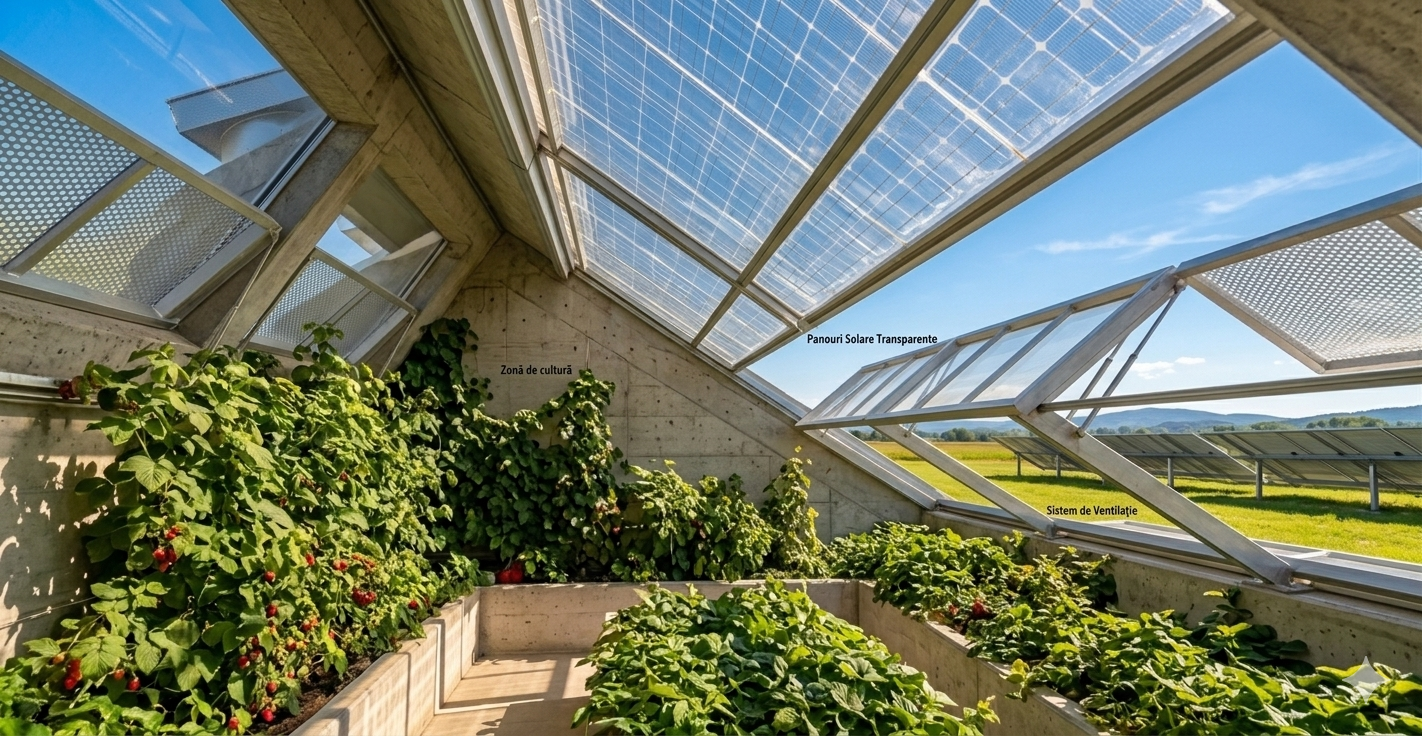
Energy optimization at PasiSera doesn’t start with software — it starts with the structure itself. Our greenhouses are designed using passive climate principles: strategic orientation, high-performance insulation, thermal mass, and natural ventilation systems that work with the local climate rather than against it.
The result is a structure that maintains stable growing conditions with significantly less energy input than a conventional greenhouse. Before a single sensor is installed or a single algorithm runs, the building itself is already doing the work.
Intelligence Layer on Top
Passive design reduces the baseline energy requirement. The Predictive Control System ensures that whatever energy is used, it is used efficiently.
By monitoring consumption patterns in real time, the system identifies where energy is being wasted — an overactive heating cycle, unnecessary lighting during high-light periods, or ventilation running outside optimal windows. These inefficiencies are flagged automatically and corrected, either by the system itself or through operator alerts.
Over time, the system learns the specific energy profile of each greenhouse, continuously refining its optimization based on real operational data.
What Growers Actually Save
The combination of passive infrastructure and predictive energy management delivers measurable results. PasiSera greenhouses report reductions in energy consumption of up to 40% compared to conventional systems — without any reduction in yield or growing conditions.
For operations running year-round, this translates directly into lower operating costs, more stable margins, and significantly reduced exposure to energy price volatility.
Built for the Long Term
Energy costs are not going down. Climate unpredictability is not going away. The greenhouse operations that will remain viable over the next decade are those that have built energy resilience into their infrastructure from day one — not those that are reacting to rising costs after the fact.
At PasiSera, energy optimization is not a feature. It is a design principle.